
The Role of Neighborhood Associations in Fence Disputes
Understanding Neighborhood Associations
Neighborhood associations, often referred to as homeowners associations (HOAs), are formed by residents within a community to manage shared interests and maintain property values. These associations are established by the developers of residential communities and are governed by a set of rules and regulations known as covenants, conditions, and restrictions (CC&Rs). The primary objective of these associations is to foster a harmonious living environment, which often includes resolving disputes that arise among neighbors, particularly those regarding property boundaries and fencing.
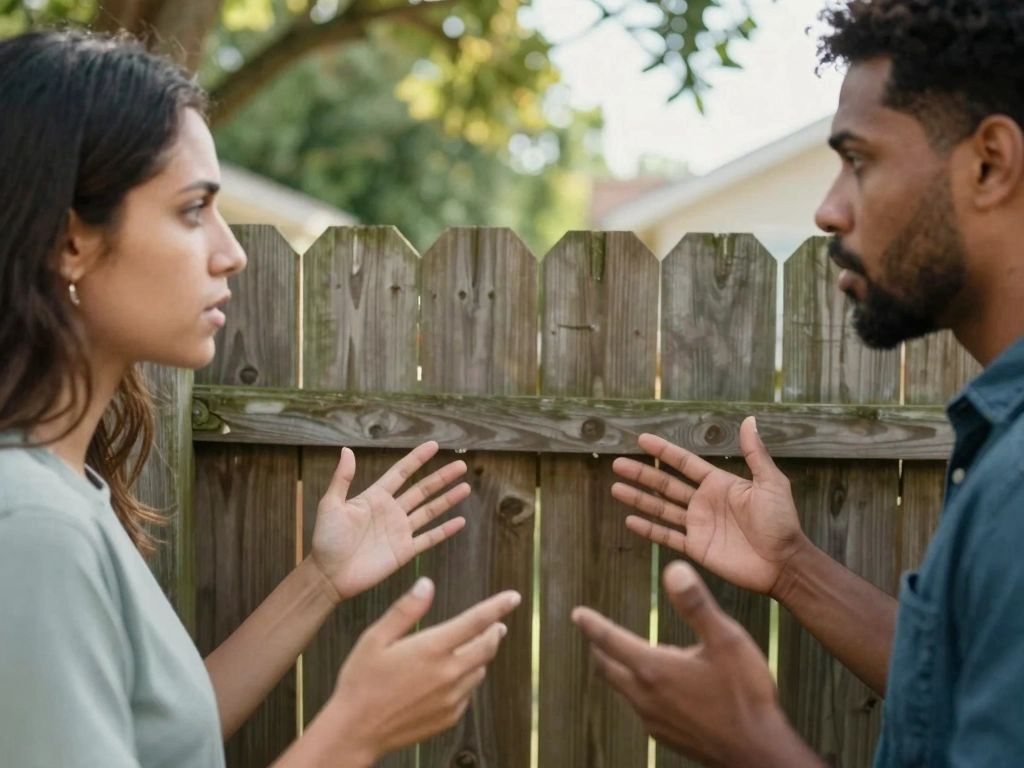
Fences play a significant role in property delineation and aesthetic appeal, making disputes over their placement and condition common occurrences. Neighborhood associations often step in to mediate these disputes, providing guidelines and a structured approach to conflict resolution. The resolution process typically involves understanding the unique needs of both parties while ensuring compliance with community standards.
How Associations Establish Guidelines for Fences
Neighborhood associations draft specific guidelines regarding fences to prevent disputes before they arise. These guidelines usually cover a variety of factors, including:
- Height restrictions: Many associations specify the maximum height for fences to ensure they do not obstruct views or sunlight.
- Materials: The materials used for fencing can be regulated to maintain a uniform appearance in the neighborhood. Common materials include wood, vinyl, and metal.
- Placement: Guidelines often include rules about how far a fence must be set back from property lines to avoid encroachment.
- Design: Some associations may require fences to adhere to particular design aesthetics to maintain neighborhood appeal.
By establishing clear guidelines, neighborhood associations can reduce confusion and set expectations for residents, ultimately minimizing the potential for conflict.
The Importance of Local Regulations
In addition to internal association guidelines, local zoning laws and regulations play a crucial role in fence disputes. These regulations can dictate where a fence can be placed, its height, and the materials permitted. Neighborhood associations often work in conjunction with local governments to ensure that their guidelines align with municipal regulations, which helps maintain legal compliance.
For instance, many municipalities require homeowners to obtain a permit before erecting a fence, particularly if it exceeds a certain height or is located near a property line. Neighborhood associations can facilitate the process by providing residents with information on local regulations and even assisting in the permit application process when needed.
Common Causes of Fence Disputes
Property Line Misunderstandings
One of the most prevalent causes of fence disputes is confusion regarding property lines. Homeowners may have different perceptions of where their property ends and their neighbor's begins, leading to potential encroachments. For example, a homeowner might build a fence believing it is within their property limits, only to discover later that it intrudes on the neighboring lot by a few feet.
Neighborhood associations often address such misunderstandings by encouraging homeowners to obtain a professional survey of their property. This can provide clarity on property lines and help avoid disputes before they escalate. In some cases, associations may even offer resources or referrals to local surveyors to assist members in accurately determining their property boundaries.
Disagreements Over Aesthetics and Maintenance
Aesthetics and maintenance of fences can also lead to disputes among neighbors. For instance, one homeowner might prefer a modern vinyl fence, while their neighbor prefers a more traditional wooden fence. Additionally, disputes may arise if one homeowner fails to maintain their fence, leading to concerns over safety or property values.
Neighborhood associations can mitigate such disputes by incorporating aesthetic guidelines that outline acceptable fence styles and materials. Regular inspections and maintenance reminders can also be instituted by the association to ensure that all residents uphold community standards, thereby reducing the likelihood of unsightly or dilapidated fences causing friction.
Impact of Boundary Trees and Shrubs
Boundary trees and shrubs can complicate fence disputes as they often grow near property lines. Disagreements may arise over which homeowner is responsible for maintaining or trimming these plants, particularly if they encroach on the neighbor's property or create privacy concerns.
Neighborhood associations can play a pivotal role in resolving these disputes by providing clear guidelines regarding the maintenance of boundary vegetation. For example, an association might establish rules about the height and type of trees that can be planted near property lines, as well as responsibilities for trimming. By addressing these issues proactively, associations can help minimize conflict among residents.
Mediation Strategies Used by Neighborhood Associations
Facilitating Open Communication
Effective communication is key to resolving any dispute, and neighborhood associations often serve as a neutral platform for facilitating dialogue between conflicting parties. By encouraging open communication, associations can help homeowners express their concerns, needs, and expectations regarding fence issues.
For example, an association may organize informal meetings or workshops to discuss common issues related to fencing, providing homeowners the opportunity to share their thoughts and learn from one another. This can foster a sense of community and understanding, thus reducing the potential for future disputes.
Utilizing Neutral Third Parties
In cases where direct communication has failed to resolve a dispute, neighborhood associations may enlist the help of neutral third-party mediators. These mediators can provide an unbiased perspective, helping both parties to articulate their positions and explore potential solutions.
For instance, an association might partner with local mediation services that specialize in community disputes. These professionals can facilitate discussions between neighbors, guiding them toward mutually beneficial outcomes while maintaining a respectful and constructive environment.
Setting Up Mediation Sessions
Neighborhood associations may also establish formal mediation sessions for more complex disputes. These sessions usually involve both parties and a mediator who guides the conversation and helps develop a resolution. The association can provide a structured agenda for the meeting, ensuring that all relevant issues are addressed.
During these sessions, the parties are encouraged to listen to one another and explore options for compromise. For example, if a dispute arises over a fence height, both parties may discuss alternative solutions, such as adjusting the fence height or incorporating landscaping to enhance privacy.
Enforcement of Association Rules and Resolutions
Documenting Disputes and Resolutions
Once a dispute has been resolved, it is essential for neighborhood associations to document the process and outcomes. This documentation serves several purposes: it helps establish a record of the dispute for future reference, provides a basis for enforcing rules, and can serve as a guide for similar disputes that may arise in the future.
Neighborhood associations may maintain a dispute resolution log that includes details such as the date of the dispute, the parties involved, the nature of the disagreement, and the resolution reached. This log can be invaluable for monitoring recurring issues and ensuring consistency in handling similar disputes.
Consequences of Non-Compliance
To maintain community standards, neighborhood associations often establish consequences for non-compliance with fencing guidelines or resolutions. These consequences may range from warnings and fines to more severe actions such as legal proceedings or forced removal of non-compliant fences.
For example, if a homeowner fails to adhere to a resolution reached during mediation—such as maintaining a fence or adhering to height restrictions—the association may issue a formal warning. Continued non-compliance could result in financial penalties or, in extreme cases, legal action to enforce compliance.
Creating a Framework for Future Disputes
To prevent future disputes, neighborhood associations may establish a framework that outlines the steps for addressing fence-related conflicts. This framework can include clear procedures for reporting disputes, guidelines for mediation, and an escalation process for unresolved issues.
By creating a comprehensive framework, associations empower residents to address conflicts proactively rather than reactively. For instance, the framework may encourage homeowners to seek mediation before escalating to formal complaints, fostering a culture of communication and cooperation within the community.
Case Studies: Successful Fence Dispute Resolutions
Example 1: Overcoming Property Line Misunderstandings
In a suburban community, two homeowners found themselves at odds over the placement of a newly constructed fence. Homeowner A believed the fence was within their property line, while Homeowner B argued it encroached on their yard. The neighborhood association intervened by recommending both parties hire a professional surveyor to determine the accurate property boundaries.
After the survey confirmed that the fence indeed encroached slightly onto Homeowner B's property, the association facilitated a mediation session. They discussed options, which included shifting the fence back a few feet or compensating Homeowner B for the encroachment. Ultimately, both parties agreed to adjust the fence line and share the cost of the modifications, preserving neighborly relations.
Example 2: Aesthetic Compromise Between Neighbors
In another neighborhood, a homeowner installed a tall wooden fence that obstructed the view of a neighboring property, sparking complaints about aesthetics and light obstruction. The neighborhood association organized a meeting where both homeowners could express their concerns. Through open dialogue, Homeowner A agreed to lower the height of the fence and paint it a more neutral color, while Homeowner B agreed to plant taller shrubs along their property line to create a more visually appealing transition.
This compromise not only resolved the immediate dispute but also enhanced the overall aesthetic of the neighborhood, demonstrating the power of collaboration and communication.
Example 3: Collaborative Solutions for Shared Fences
A collaborative approach was taken when two neighbors faced a dispute over a shared fence that had fallen into disrepair. The neighborhood association suggested a joint effort to replace the fence, with both parties contributing to the costs. They organized a community workday where residents helped build the new fence.
This initiative not only strengthened the relationship between the two neighbors but also fostered a sense of community involvement. The association documented the process, establishing a precedent for future shared fence disputes and promoting collaboration among residents.